Our Village
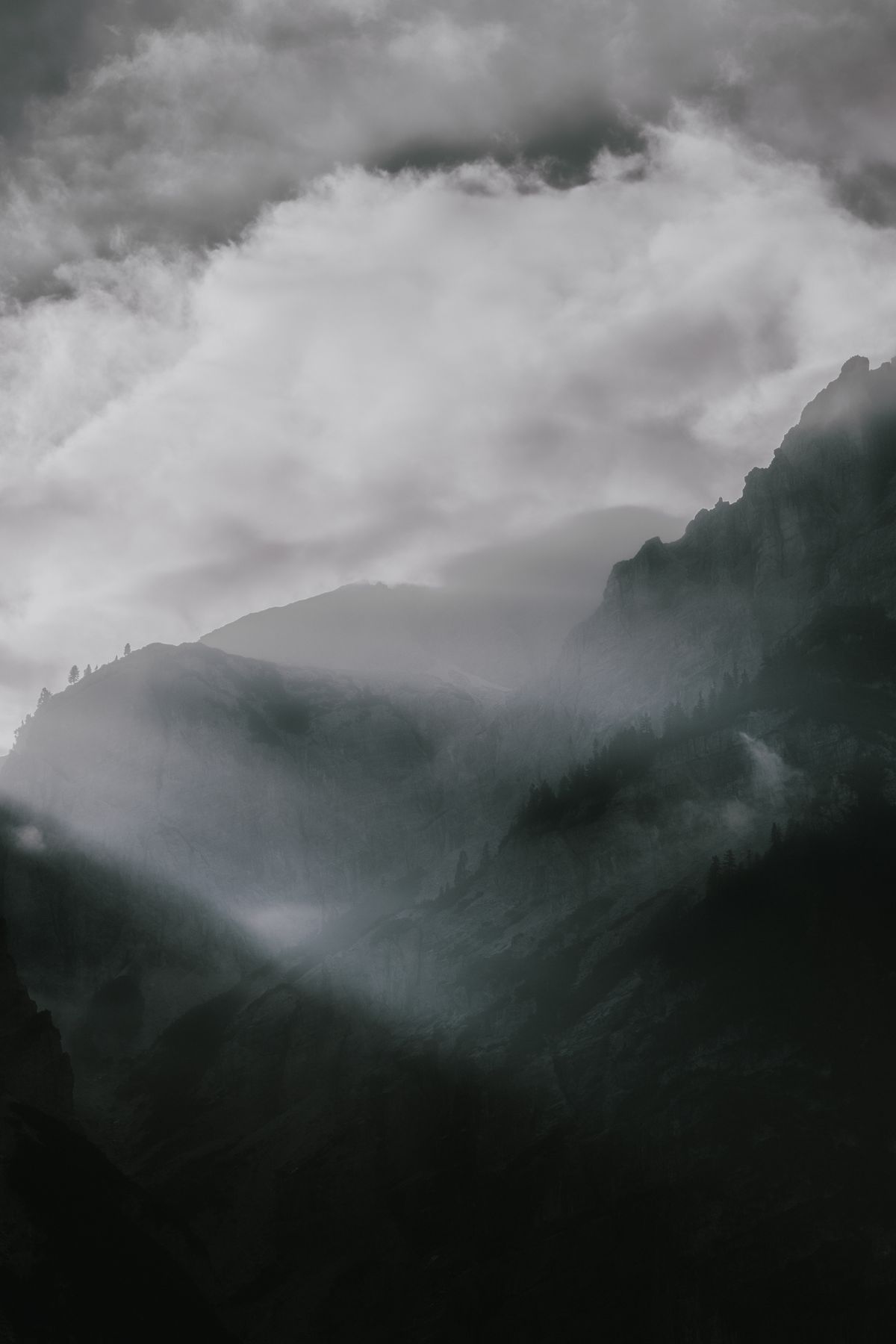
Glenbrae sits at the meeting of two glens, where the River Brae flows out of Loch Brae on its long journey to the sea. The village grew around a ford on the old drove road — a natural crossing point where cattle from the hills were gathered before the long walk south to market. The first written record of a settlement here dates from 1547, though Pictish stones found near the kirk suggest far older origins.
The character of the modern village was shaped by two forces. The first was the establishment of Brae Distillery in 1823, which brought steady work and drew families from the surrounding straths. The second was the Clearances, which emptied the glens above the village and left Glenbrae as a gathering point for those who remained. Many of the cottages along Main Street date from this period, built of local stone with thick walls to hold back the winter.
Today Glenbrae is a living community. The village hall hosts everything from ceilidhs to council meetings, the primary school has twenty-seven pupils, and the kirk maintains a congregation that has worshipped on the same site for over five hundred years. The distillery remains the largest employer, but the village also supports a post office, a village shop, a craft gallery, and a growing number of small businesses. The hills, the loch, and the river are never more than a short walk away — and that closeness to the land is, and always has been, the heart of Glenbrae.
test